WATER PHYSIO - CHEMICAL
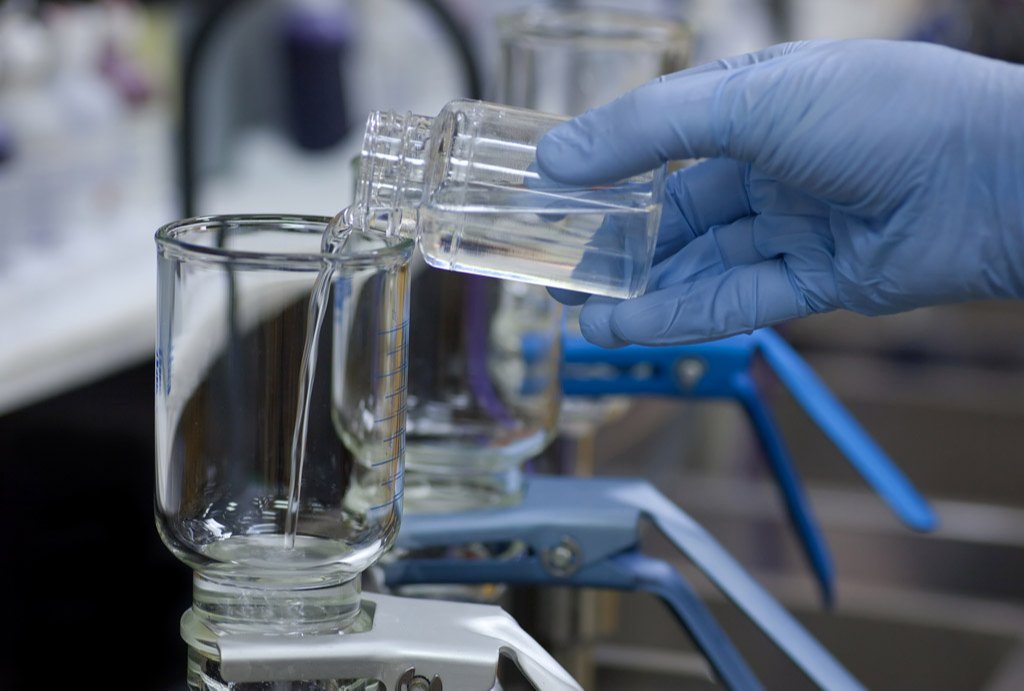
Physicochemical Analysis of Water involves
Routine physical and chemical analysis of drinking water includes determination of the following parameters: color, odor, turbidity, pH, alkalinity, calcium, chloride, conductivity, iron, magnesium, sulfate, total dissolved solids (TDS), total hardness, and calcium and magnesium hardness.
Water Analysis physio-chemical involves following operations :
- pH analysis
- Alkalinity analysis
- Total Dissolved Solids(TDS).
- Total Hardness Analysis
- Turbidity Analysis
- Iron Analysis
- Magnesium Analysis
- Sulfate Analysis
- Calcium and Magnesium Hardness Analysis
- Color Analysis
- Odor Analysis
- Conductivity Analysis
- Alcohol Content Analysis
- Sodium Analysis
- Chloride Analysis
Specifications of Physio-Chemical Analysis:
- pH Level – Measures the acidity or alkalinity of water, crucial for assessing water safety and chemical balance.
- Turbidity – Indicates water clarity by measuring the presence of suspended particles, affecting its quality and usability.
- Total Dissolved Solids (TDS) – Determines the concentration of dissolved minerals and salts, which impact water taste and purity.
- Electrical Conductivity (EC) – Assesses water’s ability to conduct electricity, which helps in determining the presence of dissolved ions and overall salinity.
Applications of Water Physio- Chemical Analysis :
- Drinking Water Quality Assessment: Ensuring that water meets safety standards for human consumption by analyzing parameters like pH, turbidity, and dissolved solids.
- Industrial Process Water Evaluation: Monitoring water used in manufacturing to prevent equipment corrosion, scaling, and to maintain product quality.
- Environmental Monitoring: Assessing the health of aquatic ecosystems by measuring factors such as dissolved oxygen and pollutant levels.
- Agricultural Water Suitability: Determining the quality of irrigation water to ensure it supports crop growth without causing soil degradation.
- Wastewater Treatment Analysis: Evaluating the effectiveness of treatment processes by testing for contaminants and ensuring compliance with environmental regulations.
Advantages of Water Physio - Chemical Analysis :
- Ensures Safe Drinking Water – Helps detect harmful contaminants and ensures compliance with health standards.
- Prevents Waterborne Diseases – Identifies bacteria, heavy metals, and chemical pollutants that can cause health issues.
- Monitors Environmental Health – Assesses water bodies to prevent pollution and protect aquatic life.
- Optimizes Industrial Processes – Ensures water quality meets industry requirements to prevent equipment damage and inefficiencies.
- Improves Agricultural Productivity – Determines the suitability of water for irrigation, preventing soil degradation and crop damage.
- Regulatory Compliance – Helps businesses and municipalities meet environmental and safety regulations.
- Enhances Wastewater Treatment Efficiency – Evaluates the effectiveness of treatment plants to ensure safe discharge into the environment.
- Supports Research & Innovation – Provides essential data for scientific studies, water management strategies, and technological advancements.
Precise Science offers advanced water testing and treatment solutions designed to ensure optimal water quality for various applications. Our physio-chemical and microbiological water analysis methods accurately assess contaminants, helping clients maintain safe and compliant water standards
Whether for routine monitoring or emergency contamination detection, we provide the most efficient and cost-effective solutions by optimizing testing methodologies and treatment processes. Our expertise guarantees reliable results tailored to meet regulatory requirements and industry standards, ensuring safe and sustainable water management.